
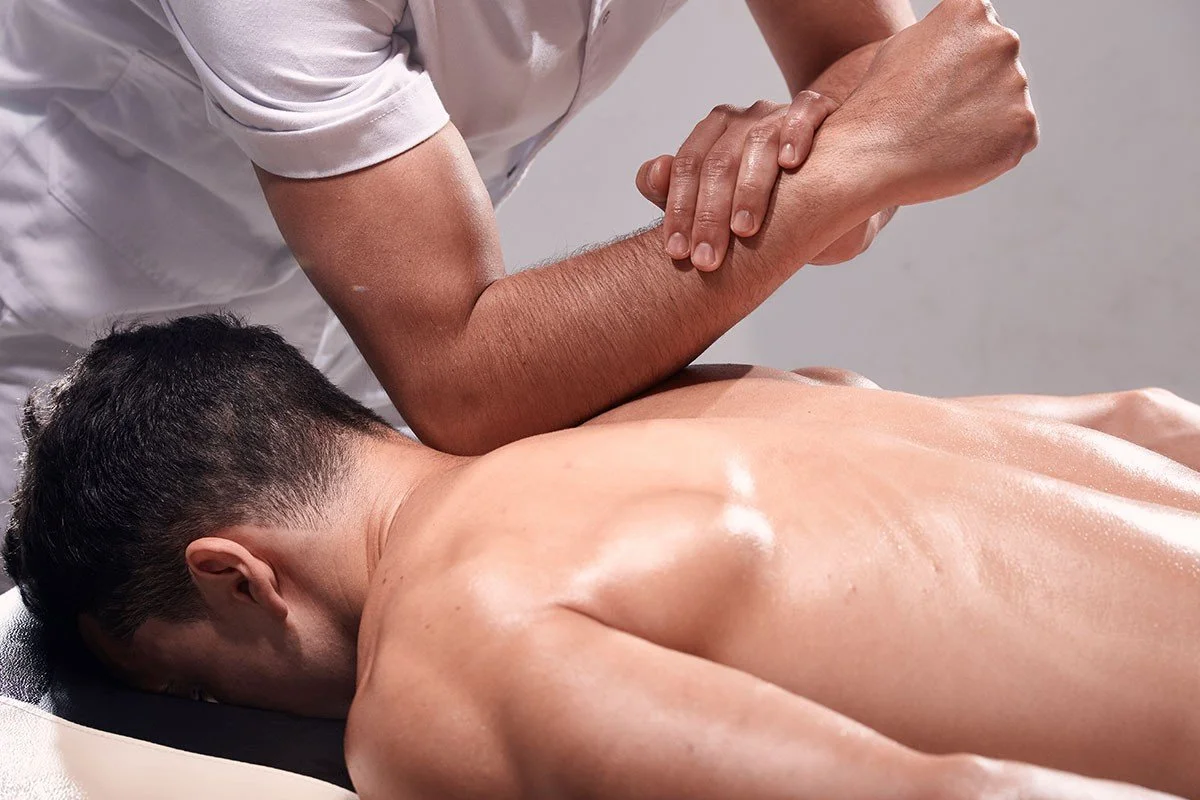
Deluxe 60 Massage
SIXTY-MINUTE DEEP TISSUE MASSAGE WITH MANUAL MANIPULATION
Manual manipulation DT massage
Manual manipulation deep tissue massage is a hands-on therapeutic approach that uses targeted pressure, stretching, and mobilization of soft tissues and joints to relieve pain, restore mobility, and improve function. It combines elements of deep tissue massage, joint mobilization, myofascial release, and assisted stretching to address musculoskeletal dysfunctions caused by injury, overuse, poor posture, or chronic conditions.
Benefits
People with chronic neck, back, shoulder, or hip pain
Individuals with limited joint mobility after an accident or injury.
Reduced muscle tension and stiffness
Improved circulation and lymphatic flow
Decreased stress and anxiety
Improved joint range of motion, enhance flexibilty and posture
Improved sleep quality
Helps to relieve symptoms of osteoarthritis, rheumatoid arthritis and gout
Heal muscle pain from soft-tissue injuries, break down and repair adhesions and scar tissue damage.
Improve circulation, varicose veins and lymphatic drainage
Workers with repetitive strain or postural issues
Restore normal muscle movement, postural behaviours and functional performance
Athletes seeking improved performance, recovery, or injury prevention
Enhanced repair and recovery after injury or repetitive work/home strain
Treat mild, moderate and severe tension, cluster headaches and migraines.
Relieve scalp swelling and tenderness.
Healing neck, shoulders, back, extremities and joint pain, stiffness and soreness from work, sports, injury and repetitive daily damage.
Regular, long-term treatments are recommended for back injuries, joint conditions, mobility challenges, frozen shoulders, and joints that are locked up. Muscle aches and pains, arthritic conditions, fibro/polymyalgia, rheumatoid arthritis and similar conditions.
What to expect
Duration: Sixty minutes.
Communication: Disclosure of medical history, medications, areas of discomfort, xrays/scans, pregnancy status
Full or partially clothed: used to ensure comfort and privacy. Wear loose clothes or bring sport shorts to change into.
Techniques: primarily effleurage (long, gliding strokes), petrissage (kneading), Myofascial release, assisted stretching: To increase flexibility and balance, trigger point release with light, moderate and hard pressure. Joint release and immobilization taping: relieves joint pain, restores mobility and decreases pain with manual manipulation as needed.
Pressure: Moderate to hard; adjusted to client comfort.
Oils/lotions: Jojoba oil is hypoallergenic with no scent.
Daily home-care stretches, strengthening exercises, posture tips, heat/ice recommendations, and self-massage techniques.
Aftercare: Drink small amounts of water and caffeine, avoid strenuous activity immediately after, and note any mild soreness that typically resolves within 1-2 days.
Contact Julie immediately if any worsening symptoms occur
Contraindications and cautions: Please contact us before making an appointment.
Recent surgery, fractures, severe bleeding, internal injury, heart condition, severe vertigo.
Deep vein thrombosis or active blood clots
Contagious skin conditions, open wounds, skin infections, or recent surgical wounds.
Fever or acute illness, cold or flu symptoms.
Pregnancy: Please contact and disclose how many months pregnant.
Acute inflammatory conditions or systemic infection
Certain vascular disorders, deep vein thrombosis risk
Uncontrolled hypertension or certain cardiovascular conditions
Neurological deficits or progressive neurological disorders
If you have any questions, concerns or if your condition is not listed, please contact us to see how we can assist you.
For more healing information, create an account and sign up for special massage prices and deals on our monthly massage days.
SIXTY-MINUTE DEEP TISSUE MASSAGE WITH MANUAL MANIPULATION
Manual manipulation DT massage
Manual manipulation deep tissue massage is a hands-on therapeutic approach that uses targeted pressure, stretching, and mobilization of soft tissues and joints to relieve pain, restore mobility, and improve function. It combines elements of deep tissue massage, joint mobilization, myofascial release, and assisted stretching to address musculoskeletal dysfunctions caused by injury, overuse, poor posture, or chronic conditions.
Benefits
People with chronic neck, back, shoulder, or hip pain
Individuals with limited joint mobility after an accident or injury.
Reduced muscle tension and stiffness
Improved circulation and lymphatic flow
Decreased stress and anxiety
Improved joint range of motion, enhance flexibilty and posture
Improved sleep quality
Helps to relieve symptoms of osteoarthritis, rheumatoid arthritis and gout
Heal muscle pain from soft-tissue injuries, break down and repair adhesions and scar tissue damage.
Improve circulation, varicose veins and lymphatic drainage
Workers with repetitive strain or postural issues
Restore normal muscle movement, postural behaviours and functional performance
Athletes seeking improved performance, recovery, or injury prevention
Enhanced repair and recovery after injury or repetitive work/home strain
Treat mild, moderate and severe tension, cluster headaches and migraines.
Relieve scalp swelling and tenderness.
Healing neck, shoulders, back, extremities and joint pain, stiffness and soreness from work, sports, injury and repetitive daily damage.
Regular, long-term treatments are recommended for back injuries, joint conditions, mobility challenges, frozen shoulders, and joints that are locked up. Muscle aches and pains, arthritic conditions, fibro/polymyalgia, rheumatoid arthritis and similar conditions.
What to expect
Duration: Sixty minutes.
Communication: Disclosure of medical history, medications, areas of discomfort, xrays/scans, pregnancy status
Full or partially clothed: used to ensure comfort and privacy. Wear loose clothes or bring sport shorts to change into.
Techniques: primarily effleurage (long, gliding strokes), petrissage (kneading), Myofascial release, assisted stretching: To increase flexibility and balance, trigger point release with light, moderate and hard pressure. Joint release and immobilization taping: relieves joint pain, restores mobility and decreases pain with manual manipulation as needed.
Pressure: Moderate to hard; adjusted to client comfort.
Oils/lotions: Jojoba oil is hypoallergenic with no scent.
Daily home-care stretches, strengthening exercises, posture tips, heat/ice recommendations, and self-massage techniques.
Aftercare: Drink small amounts of water and caffeine, avoid strenuous activity immediately after, and note any mild soreness that typically resolves within 1-2 days.
Contact Julie immediately if any worsening symptoms occur
Contraindications and cautions: Please contact us before making an appointment.
Recent surgery, fractures, severe bleeding, internal injury, heart condition, severe vertigo.
Deep vein thrombosis or active blood clots
Contagious skin conditions, open wounds, skin infections, or recent surgical wounds.
Fever or acute illness, cold or flu symptoms.
Pregnancy: Please contact and disclose how many months pregnant.
Acute inflammatory conditions or systemic infection
Certain vascular disorders, deep vein thrombosis risk
Uncontrolled hypertension or certain cardiovascular conditions
Neurological deficits or progressive neurological disorders
If you have any questions, concerns or if your condition is not listed, please contact us to see how we can assist you.
For more healing information, create an account and sign up for special massage prices and deals on our monthly massage days.